Our Story in Every Weave
What We Believe
Craft That Honors the Source
I choose cattail basketry because it asks me to slow down, pay attention, and work with what the land offers. This practice connects my hands to something older than memory, and I believe that connection matters more now than ever before.
See our valuesCore Principle
Respect the Material
Key Insight
Tradition Lives in Practice
Knowledge kept only in books fades. Knowledge used in hands endures.
- Harvest only what renews
- Teach what you have learned
- Build objects that last
- Share without reservation
A Living Craft Through Time
Indigenous Roots
First Nations peoples across marshlands wove cattail leaves into storage vessels, mats, and ceremonial objects. These techniques developed over millennia, refined through countless generations of observation and adaptation to local conditions.
Colonial Utility
European settlers adopted cattail weaving for practical household needs. Baskets carried eggs, held kindling, and stored produce. The craft served function first, beauty second, though both were always present.
Industrial Decline
Mass-produced containers replaced handmade vessels in most homes. Cattail weaving retreated to rural communities and individual practitioners who kept the knowledge alive through quiet persistence.
Revival Movement
Renewed interest in traditional crafts brought cattail basketry back into workshops and folk festivals. A new generation sought connection to material and process in an increasingly manufactured world.
Modern Resurgence
Today we see a growing community of makers drawn to sustainable, local materials and meditative handwork. Digital platforms now share techniques once taught only in person, expanding access while honoring tradition.
What Guides Us
Three commitments shape every harvest, every lesson, and every basket we make together.
The People Behind the Baskets
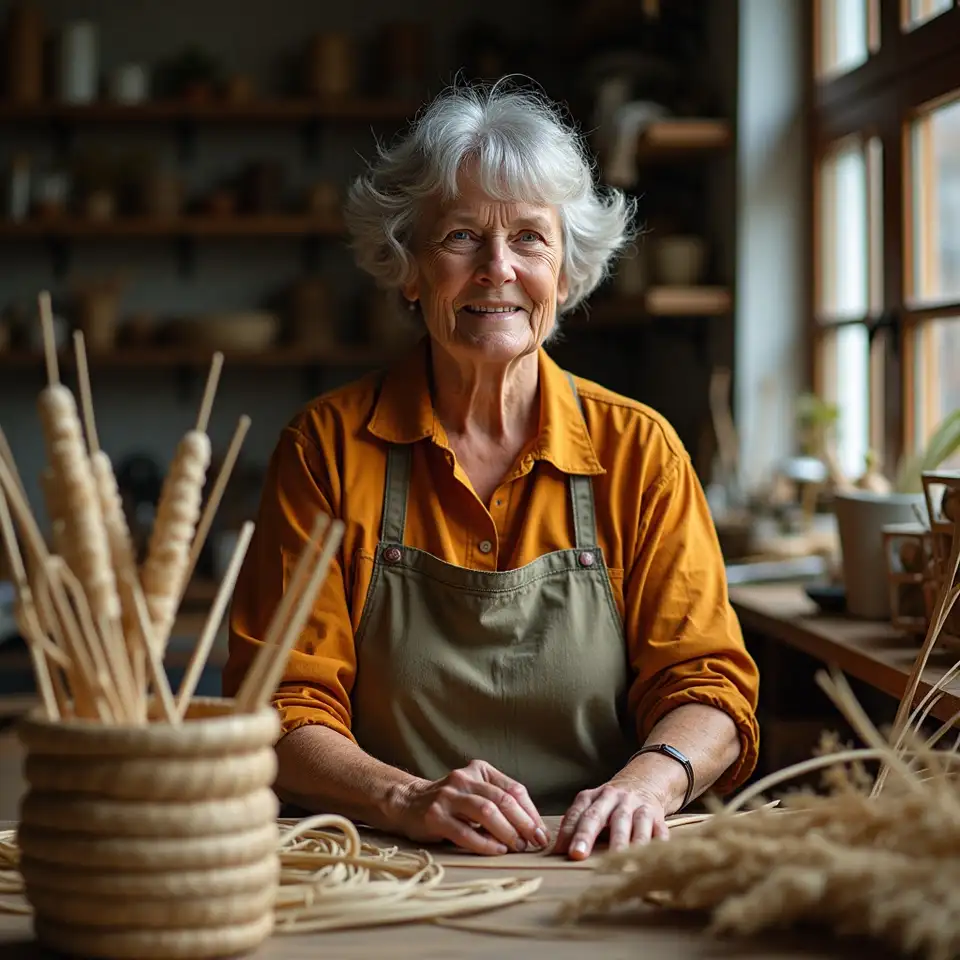
Margaret Chen
Lead Weaver and Harvest Guide
Margaret has spent over two decades exploring wetland crafts across southeastern Australia. She developed our seasonal harvesting calendar and trains new gatherers in sustainable collection practices. Her baskets blend traditional forms with subtle personal adaptations refined through years of daily practice.
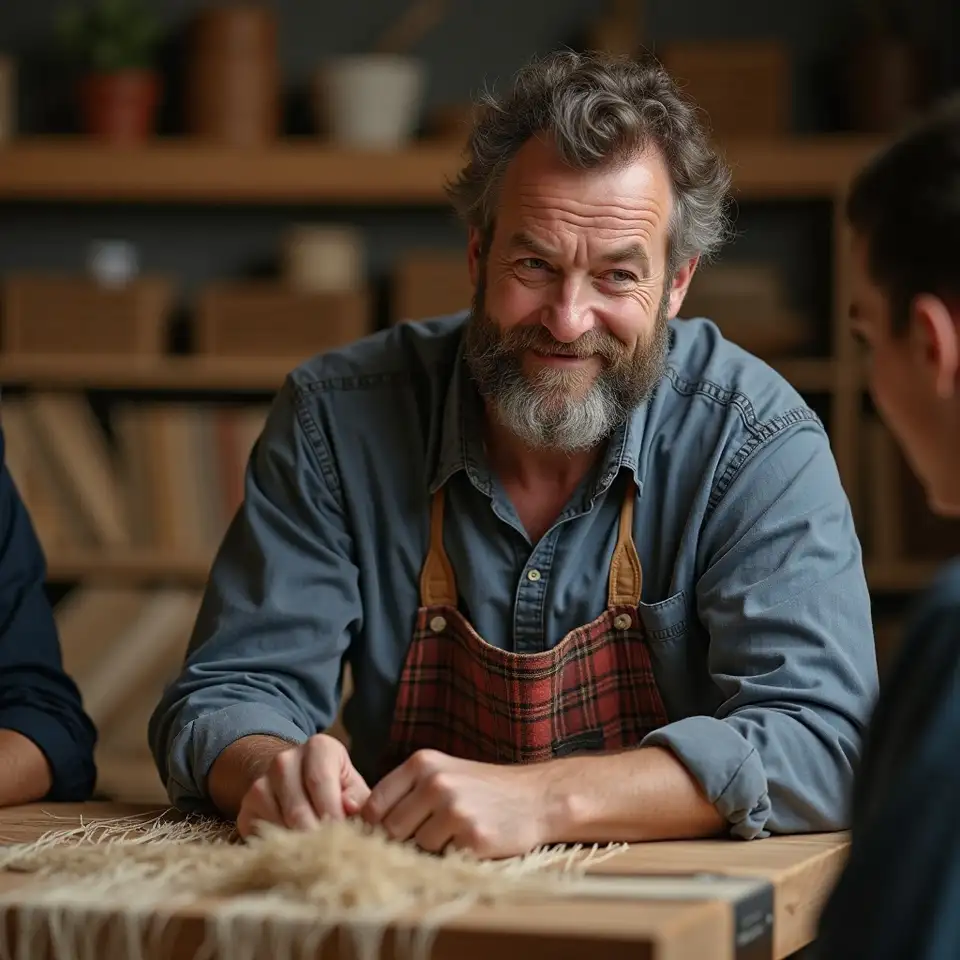
David Okafor
Workshop Coordinator and Community Builder
David organizes our monthly gatherings and seasonal workshops, ensuring every participant feels welcome regardless of skill level. He maintains our supply of prepared materials and creates the structured yet relaxed environment where beginners gain confidence and experienced weavers share knowledge.
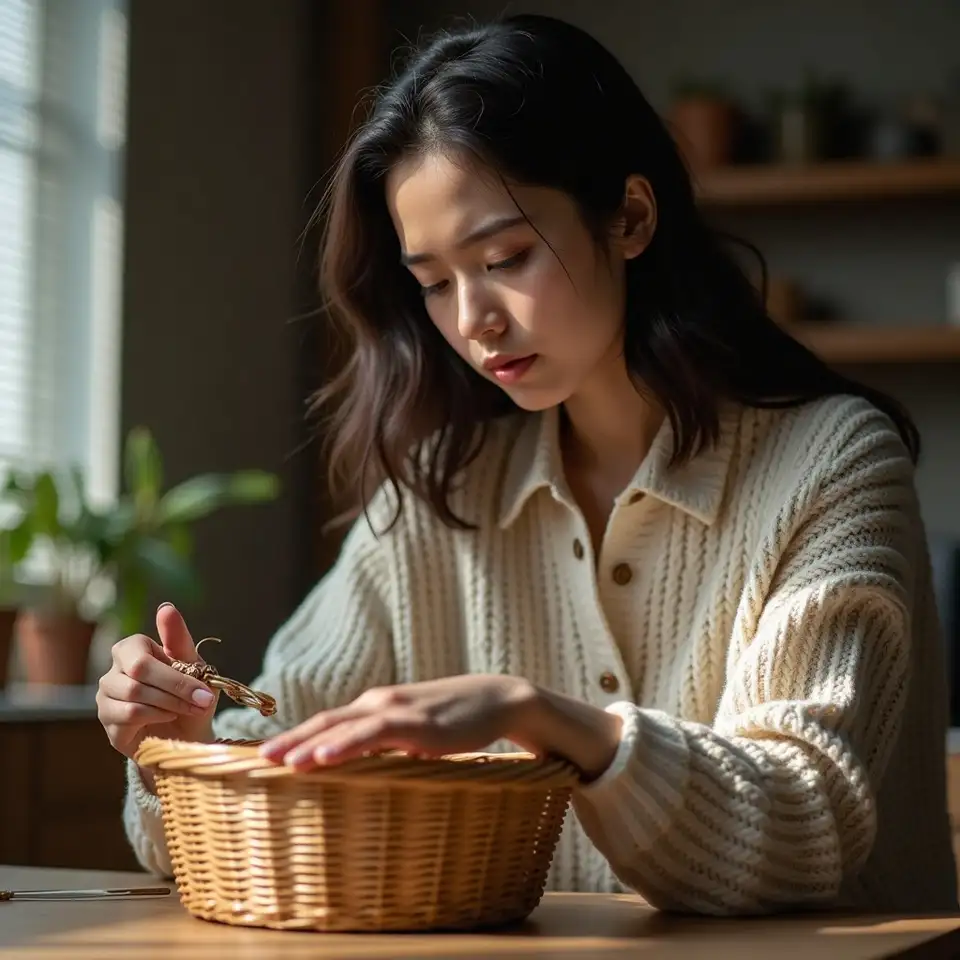
Sarah Whitfield
Technique Archivist and Content Steward
Sarah records our methods through photography, written instruction, and video documentation. She manages our growing library of patterns and variations, ensuring techniques are preserved with enough clarity that future makers can follow and build upon our work.